Author: The Recap Report Staff

Dr. Heavenly Kimes: The AI-Forward Candidate Georgia’s 13th District Needs

How a Dental Entrepreneur Turned Reality TV Star Is Leading the Charge on Ethical AI Innovation

As Georgia prepares for its May 2026 primary elections, one candidate stands apart not just for her television fame or medical expertise, but for her pioneering embrace of artificial intelligence and automation technology.
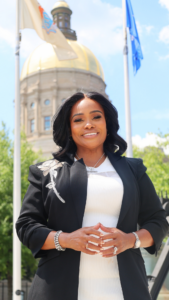
Dr. Heavenly Kimes at the Georgia State Capitol


Dr. Heavenly Kimes, the dentist-entrepreneur and “Married to Medicine” cast member running for Georgia’s 13th Congressional District, has been quietly revolutionizing how small businesses can harness AI for growth—long before it became a political talking point.

From Dental Chairs to Campaign Trails: A Technology Pioneer

For over a decade, Dr. Kimes has integrated cutting-edge AI and automation systems throughout her dental practice, Smiles by Dr. Heavenly. From automated appointment scheduling and patient communication systems to AI-powered diagnostic imaging that helps detect oral health issues earlier than traditional methods, her practice has become a model for how healthcare professionals can leverage technology to improve patient outcomes while maintaining the human touch.

“I’ve seen firsthand how AI is revolutionizing healthcare and helping millions of people receive better, more efficient care,” Dr. Kimes explains. “In my practice, we’ve used AI-powered systems to reduce wait times, improve diagnostic accuracy, and free up our staff to focus on what matters most—building relationships with our patients and providing compassionate care.”

This isn’t just about efficiency—it’s about accessibility. Dr. Kimes’ AI-enhanced practice has been able to serve more patients across metro Atlanta’s underserved communities, using predictive analytics to identify at-risk patients and automated systems to ensure follow-up care doesn’t fall through the cracks.

Bringing Silicon Valley Innovation to Main Street

What sets Dr. Kimes apart from typical political candidates is her practical, boots-on-the-ground understanding of how AI can democratize business success. Her experience spans beyond healthcare into real estate, finance, and now campaign management—all areas where she’s implemented smart automation to level the playing field for smaller operations competing against larger, well-funded competitors.

Her congressional campaign itself showcases this philosophy in action. Using ethical AI tools for voter outreach, data analysis, and volunteer coordination, the Kimes campaign has achieved remarkable efficiency metrics: over 23,000 direct voter contacts since January 2026, precisely targeted outreach across six counties, and a grassroots operation that punches above its weight class.

An Education-First Approach to AI Integration

Dr. Kimes’ vision extends far beyond her own business success. She advocates for comprehensive AI literacy programs in Georgia schools, believing that students—particularly those in underserved districts like parts of the 13th—deserve to graduate with skills that will make them competitive in an AI-driven economy.

“We have a responsibility to ensure that the next generation isn’t just consumers of AI technology, but creators and innovators,” she emphasizes. “That means investing in STEM education, supporting HBCUs in developing AI curricula, and making sure every student in Georgia’s 13th District has access to the tools and training they need to thrive.”

This isn’t abstract policy speak. Dr. Kimes has already begun partnerships with local schools, providing internship opportunities at her practice where students can see AI applications in real-world healthcare settings.

The Ethical AI Imperative

Perhaps most importantly, Dr. Kimes brings a healthcare professional’s understanding of ethics to the AI conversation. Her approach emphasizes transparency, accountability, and human oversight—principles that guided her practice’s technology adoption and now inform her policy positions.

She supports federal frameworks that encourage AI innovation while protecting consumer privacy, worker rights, and fair competition. Her business experience gives her unique insight into how regulation can foster responsible development without stifling the small business innovation that drives economic growth.

“The future of AI isn’t just about the technology—it’s about ensuring that innovation serves humanity and creates opportunities for everyone, not just tech giants,” Dr. Kimes states. “As someone who’s built businesses by embracing these tools ethically and responsibly, I understand both the tremendous potential and the important guardrails we need to put in place.”

A Different Kind of Tech Policy Leader

While Silicon Valley executives and career politicians debate AI from boardrooms and committee hearings, Dr. Kimes offers something different: real-world experience implementing these technologies in ways that create jobs, improve services, and strengthen communities.

Her dental practice employs over a dozen staff members whose roles have evolved—not been eliminated—thanks to AI integration. Her campaign demonstrates how grassroots political operations can compete more effectively using smart technology. And her policy vision reflects an understanding that AI success requires investment in education, infrastructure, and ethical frameworks that work for everyone.

The Georgia Advantage

Georgia is already emerging as a southeastern tech hub, with Atlanta’s growing AI and fintech sectors. Dr. Kimes believes the state—and her district specifically—can lead the nation in showing how AI adoption can drive inclusive economic growth.

From supporting Atlanta’s AI startups to ensuring rural communities have the broadband infrastructure needed for AI-powered telemedicine, her congressional agenda would position Georgia’s 13th District as a model for responsible AI integration.

Looking Forward

As the May 19th primary approaches, Dr. Kimes represents a new generation of political leadership—one that doesn’t fear technological change but embraces it thoughtfully. Her campaign showcases how AI can make political engagement more accessible and effective, while her policy vision promises to bring that same innovative thinking to Washington.

For Georgia’s 13th District, the choice is clear: a candidate who understands AI not as a distant threat or abstract promise, but as a practical tool for building a more prosperous, equitable, and efficient future for all constituents.

In an era when many politicians struggle to understand the technologies reshaping our economy, Dr. Heavenly Kimes offers something invaluable: proven experience making AI work for real people, real businesses, and real communities.

Dr. Heavenly Kimes is running in the Democratic primary for Georgia’s 13th Congressional District. The election is May 19, 2026, with early voting beginning April 27. Learn more at drheavenlyforgeorgia.com

At 22, Aaliyah Duah Is Turning Financial Literacy Into a Movement Gen Z Actually Wants

Seeing the Problem Before It Was Named

Aaliyah Duah didn’t start her company,  Financial Revolutionn because finance felt trendy. She started it because she noticed something was missing in her community and among her peers: the knowledge to build real wealth.

Growing up in New York City, Duah watched how money was used in ways that felt familiar to many young people—spending on clothes, food, and whatever might impress others. “That’s all we did,” she said. “That’s all we valued.” But reading books at a young age shifted her perspective. The more she learned, the more she realized that the financial habits around her weren’t accidental—they were shaped by what people were taught to prioritize.

“We’re taught how to spend our money, how to make money for other people,” she explained. “But we’re not taught how to make money for ourselves and actually how to build wealth.” When she looked around, the bigger picture became impossible to ignore: many neighborhoods lacked true ownership and long-term assets. Duah knew that if young people could get access to the right information early, they could rewrite that story.

Building Financial Revolution for Her Generation

She also recognized a second barrier: the delivery. Traditional financial education can feel boring, disconnected, and hard to apply—especially to teens and young adults who are already overloaded with information. Duah believed she could close that gap by meeting her generation where they are.

Her approach centers on making financial literacy fun, relatable, and practical—without sounding like “that financial person” who walks into a room and loses the audience before the lesson even begins. “I knew I had the ability to relate to my peers and teach them what they needed to know in a way that is fun,” she said.

That vision has only expanded as her platform has grown.

Taking the Stage at InvestFest and Beyond

Duah recently spoke at InvestFest, where she hosted a panel alongside Travis Brown and Council Member Kevin Riley. Their conversation connected the dots between policy, politics, and education—highlighting how systemic issues inside schools can directly shape what young people do, and don’t, learn about money and opportunity.

For Duah, the takeaway wasn’t simply about pointing out what’s broken—it was about the responsibility to advocate. “We have to demand more,” she said, noting that many schools, particularly those serving Black communities, need stronger resources and support. “We have to speak up and we can’t just be okay with the problems we see.”

Meeting Students Where They Are

Her work doesn’t stop at public conversations. Duah shared that she runs financial literacy programming in 25 schools across New York City, working with both middle and high school students. Through those programs, she’s learned that attention is the real currency—and if young people don’t feel engaged, the most valuable information in the world won’t land.

“You can’t just feed people a whole bunch of information,” she said. “You have to have activities. You have to make it real for people.” Her goal is to show students where financial literacy already exists in their daily lives and why it matters, before asking them to change their habits.

Turning Financial Education Into a Game

To make those lessons stick, Duah created games that transform finance education into something interactive. One is a trivia-based game called Broke or Brilliant, where players answer financial questions and earn currency cards for correct responses. Another, called Rap Cards, uses rap lyrics to teach financial terms—because, as Duah pointed out, much of the music young people listen to already references money.

Her approach is simple: if culture shapes behavior, then culture can help teach better behavior, too.

Reimagining the Game Show Format

Building on that momentum, Duah is developing a live concept called the Broke or Brilliant Game Show, which she describes as a blend of Jeopardy, Family Feud, and Wild ’N Out—except the questions are rooted in real-life financial situations.

Unlike many entertainment game shows, her model is designed to make learning part of the experience. She wants people thinking on their feet, answering questions like “What’s a Roth IRA?” and leaving not only entertained, but smarter.

Duah also sees this format as a way to build community. She envisions Greek-letter organizations competing, crowds coming together, and financial literacy becoming something people want to attend—not something they avoid.

Redefining Wealth and Legacy

At the heart of Financial Revolutionn is a bigger belief about wealth: it isn’t just financial. It’s also the ability to help others become self-sufficient.

“I want future generations to understand the power of doing things themselves,” Duah said. “A lot of times we just lack the information.” She believes that giving young people the tools to build their own wealth creates a ripple effect—because those individuals can then turn around and help others do the same.

Walking Into Rooms—and Bringing Others With You

That philosophy also shapes how she moves through spaces where there aren’t many people who look like her. For Duah, it starts with knowing who you are in every room, being prepared, and refusing to be shaken by doubt. And once she gets access, she tries to widen the door. “The next time I get there, bring somebody else with me,” she said.

She shared how she attended InvestFest alone as a teenager—flying to Atlanta, renting a car, and showing up by herself. The next time, she brought her friends. She described a similar mindset shift after visiting Ghana, which changed her perspective so much that she began exploring how to bring HBCU students on future trips for the same experience.

The Truth About Entrepreneurship

Duah is also clear-eyed about entrepreneurship. She cautions against believing the social media version of success, where a quick e-book and a viral post equal instant wealth.

“That’s not entrepreneurship,” she said. Entrepreneurship is the unglamorous work—handling taxes, scaling, managing people, meeting deadlines, and figuring out how to fund a big vision. It’s consistency and discipline, not a highlight reel.

Advice for the Next Generation

That same realism shows up in her advice to young people unsure where to start. Duah says the first step is belief—because mindset drives action. The second step is simply starting, especially when it comes to investing. She encourages young people to begin with whatever they can afford, emphasizing that time is the advantage they have right now.

She also recommends building the habit of saving through a high-yield savings account, even if it’s just small weekly deposits. Her point is that discipline scales. The habit that helped her save $25 a week in college is the same habit that allows her to save far more today.

“The only thing that’s changing is the amount,” she said. “But the mindset, the discipline, none of that changes.”

A Movement Built for the Future

In a world full of distractions, Aaliyah Duah is focused on one thing: getting and keeping Gen Z’s attention long enough to change their financial future.

Through education, culture, games, and community, she’s proving that financial literacy doesn’t have to feel intimidating. It can feel like something young people own—because for her, that’s the point.

For more, follow on social: @AaliyahDuah & @FinancialRevolutionn

Black Maternal Health Is Not Genetics. It’s Bias, Delayed Care, and a System That Doesn’t Listen — Dr. Eboni January Explains What Must Change

Black women in the United States remain three times more likely to die from pregnancy-related causes, and Dr. Eboni “Dr. EJ” January is clear about what’s driving the crisis: it isn’t biology. It’s a healthcare system shaped by bias, delayed care, and a dangerous pattern of not listening to Black women soon enough.

In a recent conversation, Dr. January, a board-certified OB/GYN and maternal health educator, broke down what she sees on the front lines of care — and what women, families, hospitals, and communities can do right now to change outcomes.

The real drivers of maternal health disparities

Dr. January emphasizes that many pregnancy-related deaths are preventable, but too often women are not equipped with the information or support needed to protect themselves. A major issue is education: many mothers don’t know the warning signs of complications, don’t fully understand their rights as patients, and don’t feel comfortable speaking up in exam rooms or labor rooms.

She points to social determinants of health as another key factor. These are non-medical influences that shape health outcomes, such as access to quality care, reliable transportation, and whether someone lives in a food desert. Even in the clinical setting, disparities can deepen if patients don’t feel seen, heard, or able to ask questions without being dismissed.

Implicit bias changes care — even when providers don’t realize it

When asked about implicit bias, Dr. January explained it as a judgment or assumption made about a patient without truly knowing them. That bias can lead providers to categorize people, label them as “difficult,” or narrow their thinking — which can result in missed diagnoses and delayed interventions.

To highlight how subtle and widespread bias can be, Dr. January shared that she took an implicit bias assessment and discovered bias she didn’t expect — even as a full-time caregiver to her father, who uses a wheelchair. Her takeaway is not about blame; it’s about awareness and training. She believes healthcare systems should routinely educate doctors, nurses, and staff on what implicit bias is and how it affects patient outcomes.

Why doulas and midwives are a return to what once protected communities

Dr. January rejects the idea that doulas and midwives are a trend. She describes their growing presence in maternal care as a return to community-centered support that helped families for generations.

Doulas, she explains, serve as non-clinical support people who advocate, listen, translate medical information, and help protect a mother’s space during pregnancy, labor, and postpartum. She partners with doulas and midwives often and believes outcomes improve when physicians and birth workers collaborate. When mothers feel supported, they are more likely to ask questions, speak up, and participate actively in decision-making.

She also highlighted how the role of support is expanding — including fathers. In St. Louis, she referenced a program called “Dads to Doulas,” which trains fathers to better understand what mothers experience and recognize postpartum complications. That additional set of eyes and ears can be critical, especially because many maternal health complications occur after delivery.

A team-based “village” saves lives

Dr. January believes maternal healthcare works best when mothers are surrounded by a real team — not just one provider. In her view, a strong village includes doulas, midwives, physicians, nurse practitioners, mental health therapists, community health workers, and postpartum supports. She also stresses that planning for postpartum needs should begin well before birth, because that’s when many complications, including mental health challenges, can escalate.

She encourages families to think beyond baby showers and registry items and instead invest in practical support systems. Food delivery, childcare help, and structured wellness support can make a meaningful difference during recovery.

Education is the starting point — and labor is not the time to learn

One of Dr. January’s strongest themes is education. She notes that many families will spend significant money on celebrations but hesitate to spend anything on learning how to navigate pregnancy and postpartum safely. That knowledge gap can become dangerous quickly, because the labor room is not the place for first-time education — medical teams often must act fast during emergencies like hemorrhage or fetal distress.

Her approach is proactive: people should be informed long before delivery, so they can understand what’s happening, ask better questions, and make decisions from a place of clarity rather than fear.

How her upbringing shaped her mission

Dr. January’s commitment to prevention and education is deeply personal. Raised in East St. Louis, Illinois, she describes it as a place of brilliance that lacked resources. Health education was not commonly discussed in schools or many families, but her father introduced her to wellness early — juicing every morning, swimming lessons, and regular trips to a fruit market. Seeing both the power of prevention and the harm caused by preventable diseases in her family helped define her path.

That foundation led her to pursue obstetrics as an “umbrella career,” not just to deliver babies, but to open doors for broader work in preventative health, maternal education, and helping busy women build sustainable wellness without burnout.

Building platforms for women who are “everything to everyone”

As her medical career developed, Dr. January noticed a recurring pattern: women who were holding everyone else together while neglecting themselves. In response, she built education-centered programs designed to support women in real life — with tools they can implement at home, digital resources, courses, and a book that breaks down topics like prevention, mental health, and labor complications.

Her business venture, Boss-ish Lifestyle, grew from the same concern: women struggling to balance work, life, and health. Its mission is to teach balance and reduce burnout — because maternal health is not only about what happens in a hospital, but what happens long before pregnancy and long after birth.

What communities can do right now

Dr. January calls for everyday action that goes beyond conversation:

  • Expand access to education for mothers and families

  • Support doulas and doula training programs financially

  • Encourage corporations to add doula stipends and maternal health education into wellness benefits

  • Donate resources and invest in scholarships that support culturally competent providers

Her message is direct: outcomes improve when everyone shows up — not only the medical system.

The future she wants to see

Looking ahead, Dr. January hopes to see a stronger team-based approach become the standard: more acceptance of doulas and midwives, more integrated mental health care, and broader investment in prevention and education. She also sees herself continuing to lead in the educational side of maternal health — helping families and institutions build the knowledge and resources needed to reduce preventable deaths and improve outcomes nationwide.

Connect with Dr. Eboni “Dr. EJ” January

Website: doctorej.com
Instagram: @doctorebonijanuary

The Power of Us: Vanessa Bouie and Her Family’s Blueprint for Success

When I think about what it means to build something beautiful out of uncertain times, I think about the Bouie family. I think about Vanessa, her husband, and their two boys-how they gathered around the kitchen table, not just to share a meal, but to share a dream. I think about how, in a world that so often tries to pull us apart, their story is a reminder that the most revolutionary act is to hold your family close and build together.

See, we live in a world that loves to celebrate the individual-the solo founder, the lone genius. But the real magic? It happens when Black men and Black women stand shoulder to shoulder, raising each other up, showing their children what partnership, devotion, and love look like in action. That’s what the Bouies have done with Fancy Homebody. They’ve made family the foundation, not the footnote.

When the world shut down, the Bouies opened up. They opened their home, their hearts, and their hands to a vision that was bigger than any one of them alone. Vanessa didn’t just start a business-she started a movement. She showed us that comfort and style can live in the same space, that you can build an empire in slippers and sweats, and that you don’t need anyone’s permission to chase your joy.

But let’s be clear: this isn’t just Vanessa’s story. This is a story of a husband who believed, who packed boxes and mapped out logistics, who stood in the background and sometimes in the spotlight, so his wife could shine. This is a story of two young boys who watched their parents turn late nights and early mornings into lessons about grit, faith, and possibility. This is a story of a family that modeled what it means to show up for each other, every single day.

And isn’t that the revolution? Isn’t that the hope? That our sons and daughters see us, not just hustling, but loving. Not just building, but building together. That they know Black love is strong, Black families are resilient, and Black businesses can thrive when we move as one.

Vanessa is the face of her brand, yes-but she’s also the heart. She steps in front of the camera not just to sell a product, but to show her sons, and all our daughters, what confidence looks like. She models for Fancy Homebody because she wants every woman to see herself reflected, to know that she is enough, just as she is.

Today, the Bouie family stands as a beacon-a reminder that when we invest in each other, when we honor our roots and nurture our dreams, there’s nothing we can’t accomplish. They show us that success isn’t just about numbers or milestones, though they have plenty of those. It’s about legacy. It’s about love.

So let’s hold up the Bouies as an example, not just of business success, but of what’s possible when Black men and Black women love each other out loud, when they build together, when they refuse to let the world define their limits. That’s the new revolution. And WE, are here for it.


View this post on Instagram


A post shared by Vanessa Kelly (@fancyhomebody)

Empowering Black Filmmakers– Filmhub’s Black Cinema Vertical

For over 15 years, Greg Maurice has been immersed in the world of film distribution and acquisitions, navigating an industry known for its challenges and systemic gatekeeping—particularly for African-American and Black filmmakers. As the leader of Filmhub’s Black Cinema Vertical, Maurice is on a mission to level the playing field by creating opportunities and removing barriers for underrepresented voices in film.

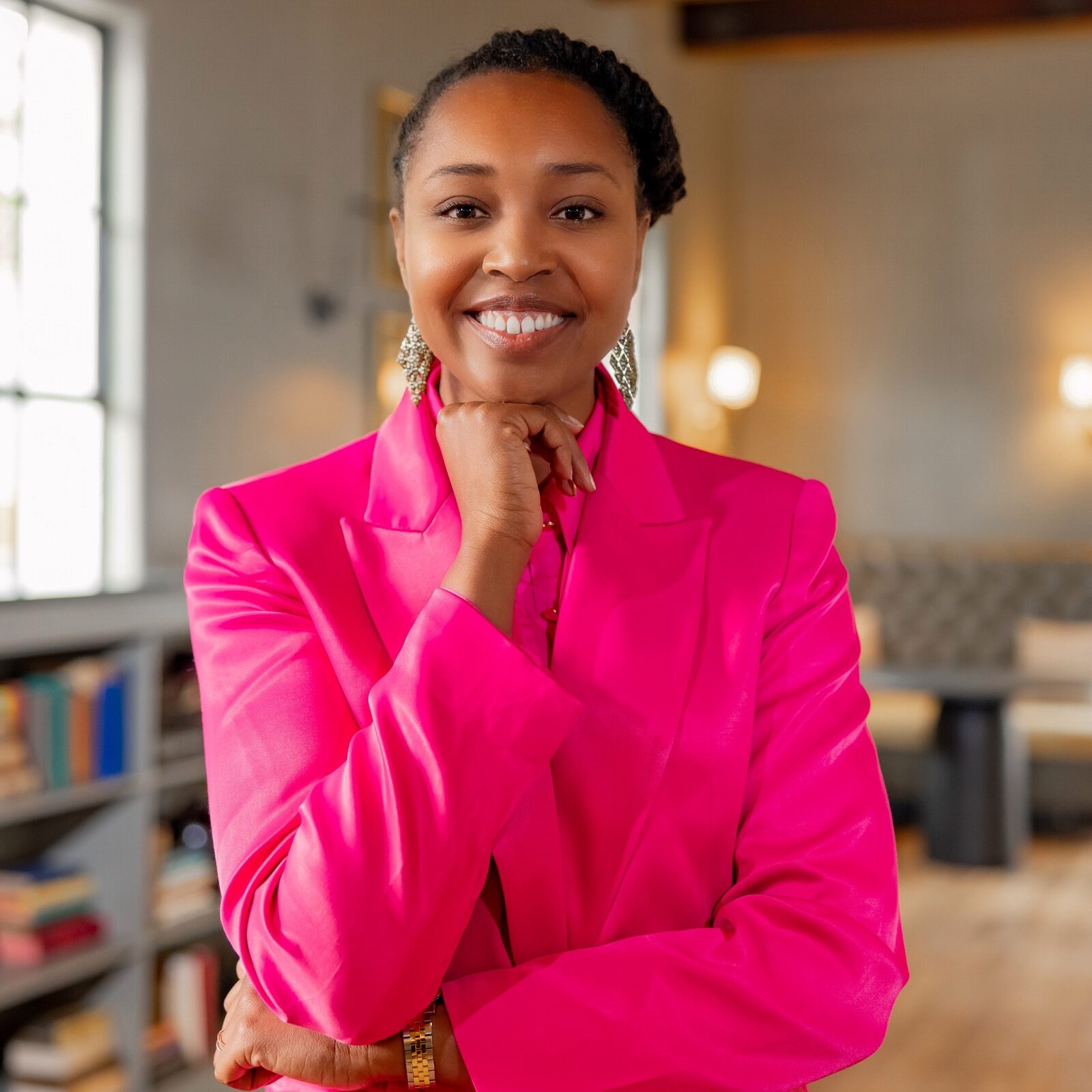
“The film industry has always been a tough space, especially for Black and brown filmmakers,” Maurice explains. “Throughout my career, I’ve focused on finding ways to highlight these filmmakers and create distribution strategies for their work. Historically, they’ve lacked access and opportunities because so much of the industry revolves around Hollywood relationships.”

Maurice points out that while technological advancements have made it easier for filmmakers to produce content, the road to distribution remains fraught with challenges. “There are so many films being made by talented Black filmmakers, but they don’t have the avenues to distribute their titles. That’s where Filmhub comes in.”

A Platform for Change

Filmhub launched its Black Cinema Vertical to provide a dedicated space for Black filmmakers to distribute their work and share often overlooked stories. Maurice sees this as a pivotal moment in the industry. “It’s about creating opportunities, building distribution strategies, and amplifying stories that haven’t been told,” he says.

Transparency and education are central to Filmhub’s mission. The company empowers filmmakers by giving them access to valuable insights and tools, helping them understand the distribution process and monetize their films. “We value transparency as a company,” Maurice emphasizes. “We want to equip filmmakers with as much insight as possible, from how to use our platform to how to market their titles effectively. It’s all about giving them the tools to succeed.”

Championing Diverse Stories

One of Maurice’s primary goals is to showcase the diversity within the Black filmmaking community. “There’s so much diversity among us, so many talented filmmakers with different stories to tell,” he says. “Unfortunately, Black films are often stereotyped as fitting into one specific narrative. I want to break that mold and highlight the range of genres Black filmmakers are creating—thrillers, comedies, action films, and more. It’s important to show the breadth of creativity coming from our community.”

By collaborating with a variety of channels, Filmhub ensures these unique stories reach audiences that might otherwise never see them. Maurice believes that amplifying these voices enriches the cultural landscape and challenges outdated perceptions of what Black cinema can be.

Building Trust Through Results

Filmhub’s success speaks for itself, thanks to the filmmakers who have benefited from the platform and shared their experiences. “We’ve built our reputation through word of mouth,” Maurice says. “Our founders wanted to prove that what we’re doing works by letting the filmmaking community speak for us. We haven’t done traditional marketing or promotions, but the feedback we’ve received from filmmakers—especially from the Black community—has been incredible.”

The platform’s case studies and filmmaker feedback have helped shape its tools and strategies, enabling Filmhub to better serve its users. The company continually refined its approach to meet filmmakers’ needs, from licensing deals to distribution insights.

The Future of Black Cinema

For Maurice, the ultimate goal is clear: creating distribution strategies that engage audiences and give filmmakers the platform they deserve. “It all comes down to how you engage an audience,” he says. “Filmhub serves as a catalyst, offering insights and transparency while making information and resources readily available.”

Through its Black Cinema vertical, Filmhub is paving the way for a more inclusive film industry. By empowering Black filmmakers, diversifying the stories being told, and breaking down barriers to distribution, Maurice and his team are helping to reshape the landscape of cinema. 

Dr. Key Hallmon’s No One Is Self-Made Redefines the Path to Entrepreneurial Success

Key Thoughts Photo Option 1-resized“It takes a village.” It’s a phrase many of us are taught, rooted in the belief that unity and togetherness drive collective success. Yet, in today’s culture—where entrepreneurship and individual success are glorified—the term self-made has become a badge of honor. But can both community and individualism propel us forward? Dr. Key Hallmon, an entrepreneur, speaker, and change agent, tackles this question head-on in her HarperCollins debut, No One is Self-Made.
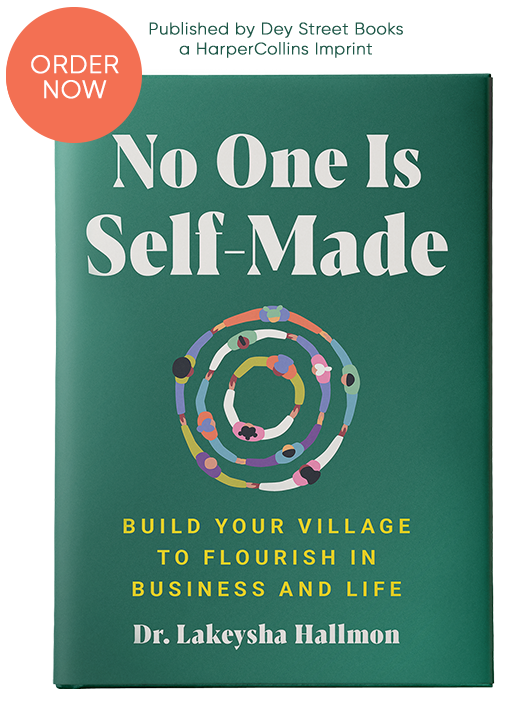
For Dr. Key, village is more than a word—it’s a movement. When she engaged with entrepreneurs at all stages of business, one common thread emerged: they needed community and funding. Rather than focusing solely on financial solutions, she set out to solve both. She understood that building a strong community would organically lead to increased sales, visibility, and access to resources—ultimately impacting funding in a more sustainable way.

This vision materialized as The Village Market, a direct pipeline connecting Black entrepreneurs with consumers and corporate partnerships. To date, her model has generated $8.8 million in direct sales for Black-owned businesses and awarded $800K in grants. Through partnerships with brands like Mastercard and Sprite, The Village Market and The Village Retail have created new opportunities for Black business owners to thrive.

Her belief remains true: “Community will always be the thing that saves us and propels us forward.”

Before launching The Village Market, Dr. Key founded a speaker series called It Takes a Village, where she introduced audiences to successful business owners. This early initiative was a precursor to her broader mission—proving that entrepreneurship thrives in community, not isolation.

Now, with her debut book, No One is Self-Made, she’s expanding this conversation on a national scale.

- - Dr. Lakeysha Hallmon - Entrepreneur | Educator | Social ActivistSet to release on February 4, No One is Self-Made challenges the deeply ingrained belief that success is achieved alone. Dr. Key argues that individualism erases the critical role of mentors, supporters, and communities who help shape an entrepreneur’s journey.

“We must return to community to build our coalition and collective.”

The book explores key challenges entrepreneurs face, including:

  • Loneliness
  • Financial insecurity
  • First-generation business struggles
  • Purpose and vulnerability and more.

Dr. Key provides actionable solutions to humanize the hardships while celebrating the journey—offering a bold roadmap for business owners who want to embrace collective economics and community-driven success.

More than just a mantra, “Support is a verb” is Dr. Key’s call to action. She challenges people to actively support Black-owned businesses—not just through one-time purchases, but by making it a lifestyle.

Real support means patronizing Black businesses consistently, knowledge-sharing and mentorship, and gathering intentionally to align on shared missions and visions

By embodying these principles, communities can build long-term economic strength from within.

Dr. Key’s journey as an author started long before No One is Self-Made. At just seven years old, she dreamed of writing a book. Now, she’s bringing that vision to life—not just to share her story, but to provide a blueprint for others.

Reflecting on her journey, she shares:

“You can have a vision when you’re younger, and if you’re diligent, work hard, and treat people well, there will come a time when you actualize the dreams you once spoke about.”

No One is Self-Made is not just a book; it’s a movement. It calls on entrepreneurs, change makers, and leaders to embrace the power of collective success—because real, lasting impact is never built alone.

To pre-order/order No One is Self-Made and to RSVP for tour stops and local activations visit: www. drkeyhallmon.com/noism/

The National Hip-Hop Museum Honors Legends and Celebrates 40 Years of Beat Street

On December 28, the National Hip-Hop Museum (NHHM) will host a night that promises to celebrate hip-hop’s legacy in grand style. The historic Bethesda Theater in Maryland will transform into a music, art, and history hub, honoring some of the genre’s most iconic pioneers while marking the 40th anniversary of the seminal hip-hop film Beat Street.

This year’s Hall of Fame inductees include trailblazers who helped shape the culture: Kool Moe Dee, Marley Marl, Lords Of The Underground, Soul Sonic Force, DJ Jazzy Jay, The Fearless Four, and The Treacherous Three. Many of these figures, including Kool Moe Dee and The Treacherous Three, played key roles in Beat Street, cementing their influence in hip-hop and beyond.

A Celebration of Hip-Hop’s Roots

The ceremony marks NHHM’s largest induction event yet, a fitting milestone for an institution devoted to preserving hip-hop’s history. Jeremy Beaver, the museum’s founder, sees the event as a culmination of years of work. “This is the culmination of five years at the museum of intense work to preserve and establish hip-hop as America’s most important cultural export,” Beaver said.

Beyond the inductions, the evening is designed to celebrate hip-hop culture. The festivities begin at 5:00 p.m. with a VIP Pop-Up Retail Experience, offering rare items like vinyl records, sneakers, and action figures from NHHM’s Hip-Hop Shop. Live painting by NHHM’s resident artist Kevin “Scene” Lewis will bring another layer of creativity to the space as Hall of Famer DJ Kool hosts the experience and proudly showcases his RIAA Platinum Award, a first for a Washington, D.C. artist.

For those nostalgic for Beat Street, the event will include a special screening of the film and a live reenactment of its famous Christmas rap scene by Kool Moe Dee.

Honors and Performances

The induction ceremony will begin at 8:00 p.m., led by Master Gee, a founding member of The Sugarhill Gang and NHHM’s Executive Director. Honorees will receive custom Hall of Fame jackets, trophies, medallions, and other memorabilia presented by NHHM Historian Jay Quan, a noted hip-hop expert.

At 9:30 p.m., the spotlight will shift to live performances by the inductees. Attendees can expect to hear classics from Soul Sonic Force, Lords Of The Underground, Kool Moe Dee, and The Treacherous Three, making for an unforgettable night of music.

A Testament to Hip-Hop’s Legacy

The evening is more than just a celebration—it’s a testament to hip-hop’s enduring legacy and influence. By honoring these artists, NHHM continues its mission to solidify hip-hop’s place in cultural history. With its mix of performances, art, and storytelling, the event ensures that hip-hop legends’ contributions are remembered and celebrated with the respect they deserve.

Tickets are still available, with general admission for $75 and VIP access for $125. The event underscores that hip-hop is not merely a genre—it’s a movement that continues to evolve, inspire, and bring people together.

This December, the National Hip-Hop Museum offers fans a chance to experience the culture’s history and vibrancy firsthand. For hip-hop lovers, it’s a night not to be missed.

Tickets can be purchased here

Vanessa Bouie: Building a Legacy of Style and Comfort with Fancy Homebody

Vanessa Bouie is the dynamic force behind Fancy Homebody, a lifestyle brand that has redefined chic comfort for women navigating the complexities of modern life. With a focus on stylish loungewear and elevated essentials, Vanessa’s vision is simple yet profound: to empower women to feel confident, polished, and comfortable in their everyday lives.

As a wife, mother of two, and former corporate marketing professional, Vanessa intimately understands the demands of juggling multiple roles. After thriving in pharmaceutical marketing for over nine years, she sought a creative outlet to express her personality and style. What began as a blog and Instagram account in 2019 soon resonated with a wide audience. By February 2020, Vanessa transformed her passion project into a business, launching Fancy Homebody just as the world was pivoting to home-centered lifestyles due to the pandemic.

The timing of Fancy Homebody’s launch was serendipitous. Vanessa identified a gap in the market for high-quality, versatile essentials that allowed women to feel put-together, even during their most relaxed moments. Her collections quickly gained a devoted following, becoming known for their rapid sell-outs and inclusivity. Today, Fancy Homebody is a thriving Chicago-based brand celebrated in top publications like Vanity Fair and Essence, a testament to its widespread appeal.

At the core of Fancy Homebody’s ethos is a celebration of imperfection and authenticity. Vanessa believes in embracing the realities of daily life, offering styles that suit women of all body types and lifestyles—whether they’re lounging at home, running errands, or heading to brunch. Her Cincinnati roots and experiences in Chicago have shaped her vision, drawing inspiration from the everyday women she meets.
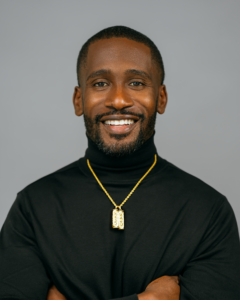
Vanessa’s success is grounded in grace and perseverance. She approaches each day with her best effort, understanding that some days may be more productive than others, and that’s okay. Her commitment to inspiring women extends beyond fashion; it’s about showing that dreams are attainable through passion, quality, and connection. She aims to leave a legacy for her children and for “regular” women, proving that success isn’t about fame or connections but the relationships you build and the value you provide.

Recently, Fancy Homebody achieved a major milestone: Vanessa received a Shopify plaque commemorating 100,000 orders, reflecting her dedication and her brand’s impact. As Vanessa continues to lead Fancy Homebody with vision and heart, she inspires women everywhere to embrace their unique journeys with style and confidence.

For more about Fancy Homebody visit, fancyhomebody.com and follow @shopfancyhomebody.

How Laquan and Camille Taylor are Redefining Recovery with Neurofit360 ATL

Laquan Taylor’s journey is one of resilience, determination, and compassion. A military veteran and survivor of gun violence, Laquan faced unimaginable challenges after being shot multiple times. His road to recovery eventually led him to NeuroFit360, a cutting-edge rehabilitation center located in Miami, Florida.
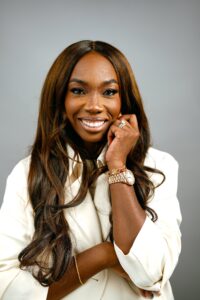
Unlike any facility he had encountered, NeuroFit360’s approach provided Laquan with groundbreaking care that changed his perspective on recovery. Inspired by his own experience, he made it his mission to bring the same level of transformative therapy to Georgia. 

Through his journey, Laquan explains that being able to identify and empathize with his clients is imperative. He shares “sometimes when you go to places, the people that run it don’t fully understand.” His personal journey inspires his clients, many of whom express admiration for his resilience and determination. 


A Partnership in Purpose  

Laquan’s wife, Camille Taylor, has been his steadfast partner throughout his journey. As co-owner and administrative leader of their NeuroFit360 location in Alpharetta, she ensures that Laquan has everything he needs to succeed.
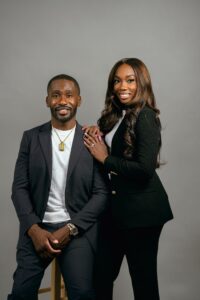
Camille shares that when her husband mentioned wanting to bring NeuroFit360 to Atlanta, she knew it was vital to support his vision. She stood by Laquan through his recovery and now works tirelessly behind the scenes to create a nurturing environment for clients. Her administrative support also gives Laquan the freedom to focus on therapy sessions, where his connection with clients continues to inspire.

Their dedication has made a profound impact. Patients share stories of progress that once seemed impossible. One client, who suffered a workplace accident, went from struggling to move his legs to performing leg extensions on his own within a year. 

She reflects on how heartwarming it is to see where patients start and how far they come, stating, “some didn’t think they’d ever get out of their wheelchairs, but our therapists help support in shifting mindsets, understanding and the desire [to recover].”

Overcoming Challenges 

Despite their passion, neither Laquan nor Camille had prior experience running a physical therapy facility. They relied on their experiences as patient and caregiver to create a welcoming environment for both clients and staff. 

Laquan explains the main challenge was learning the ins and out including marketing and social media, engagement and networking. It took a year and a half to crack the code, but now, they’re in such high demand Neurofit360 ATL has a waitlist.

For those looking to follow a similar path, the Taylors offer this advice: 

“Do your research first. Make sure there’s a demand for the services you want to offer and grow into your business. Just understand—things take time.” 


A Mission of Hope

 Laquan and Camille Taylor are living proof that even the toughest trials can be transformed into triumphs. Through their belief in recovery, they’ve built more than a rehabilitation center—they’ve created a community where hope and healing flourish. 

Learn more about Neurofit360 ATL at https://neurofit360atl.com/.

How East Point is Staying Camera Ready with their International Film Fest

For over 19 years, the Peachtree Village International Film Fest has brought rich, diverse content to Atlanta, and this year, they’re elevating this initiative with the launch of the East Point International Film Fest. Born from a partnership with the East Point Convention and Visitors Bureau, the festival aims to establish East Point as a premier film destination for visitors from near and far.

The East Point International Film Fest has been years in the making. Founder Len Gibson has spent this time connecting with various municipalities across Georgia to broaden the festival’s impact. In conversations with Fulton Films and the Georgia Film Office, he learned about the impressive work underway at the East Point Convention and Visitors Bureau (EPCVB), led by Chantel Ross Francois, and discovered they shared a vision of bringing a film festival to the city. A mutual friend helped bridge the gap, and the East Point International Film Fest was set in motion.

What makes this year unique is the festival’s mission to unite industry experts and enthusiasts nationwide to showcase East Point’s offerings. While many pass through East Point due to its proximity to the world’s busiest airport, they may not get the chance to experience the city’s cultural richness.

Taking place from November 7 to November 10, the festival opens with a press conference and brunch and wraps up with a cocktail reception. The event will feature a wide range of activities, including 60 film screenings, various panels and workshops, an awards show, and a pitch contest.

Highlights this year include The Business of Music and Film panel, which will celebrate legendary Southern hip-hop producer Rico Wade, and the inaugural East Point Convention and Visitors Bureau Culture Impact Award ceremony honoring former East Point Mayor Patsy Jo Hilliard, the city’s first African American and female mayor.

Other notable events include a free screening in collaboration with Black Girl Film Camp, featuring short films by young African American women, followed by a Q&A session. Additionally, there will be a showing of the Atlanta-shot comedy Car Lot, starring and executive produced by NBA legend Shaquille O’Neal, directed by Atlanta native Dorian Forbes, and featuring Jamal Willard, DC Young Fly, and others.

The ultimate goal of the East Point International Film Fest is to establish East Point as the “go-to” film and TV hub in the Southeast—a place where projects can be seen and sold. To achieve this, the festival offers year-round training to demonstrate that East Point is “Film Ready,” with notable productions like Black Panther and Stranger Things already filmed there.

Additional focus areas include:

  • Music Integration: Enhancing film and TV projects through impactful soundtracks and scores, which are essential to the success of any production.
  • Marketplace Creation: Providing a platform through the festival where filmmakers can showcase their projects.
  • Industry Training: Developing opportunities for young minds in the business and encouraging economic growth within the City of East Point.

To purchase tickets and stay updated on event details visit www.EPIFF.org and follow @epiffga on social media.