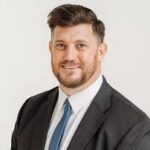
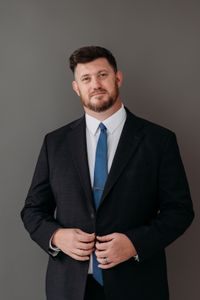
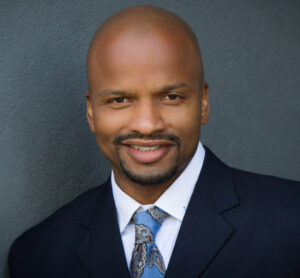
Chris Harden, Georgia’s 11th Congressional District Candidate
For Chris Harden, the decision to run for Congress is personal.
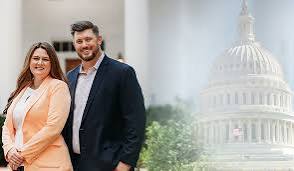
He is an attorney, a small business owner, a husband, and a father of triplets. But beyond the titles, Harden says his campaign for Georgia’s 11th Congressional District is rooted in protection, service, and a deep concern for working families.
“When you become a dad and a husband, you get this sense of protection,” Harden said. “Provider and protector.” That same sense of responsibility, he says, extends beyond his own household.
Raised in North Georgia, Harden speaks openly about growing up with limited resources and relying on public education as a pathway to opportunity. Without it, he says, his life could have looked very different.
“Without public education, I’m not sitting here talking to you today,” he said.
Now, as his own children begin their education journey, Harden says he wants to make sure that same possibility remains available for every child.
A major focus of Harden’s campaign is affordability. As a father of triplets, he says the rising cost of groceries, childcare, healthcare, and housing is not something he only discusses politically — it is something his family experiences directly.
“When people talk about affordable groceries, childcare, and healthcare, we are going through it,” he said.
Across the district, Harden says he hears from families who are working hard but still struggling to get ahead. In his view, the issue reaches beyond party lines.
“This election is not about R’s and D’s,” Harden said. “It’s about the haves and have-nots.”
Healthcare is another major concern for Harden. He says people should not be one accident, one diagnosis, or one emergency away from financial ruin. He supports strengthening access to healthcare, protecting coverage for pre-existing conditions, and allowing small businesses to group together to negotiate with insurance companies.
As a small business owner himself, Harden says he understands how difficult it can be for smaller companies to compete with larger corporations when it comes to providing affordable healthcare options.
His legal career has also shaped how he views public service. Harden has worked with families in juvenile court, representing parents and children navigating difficult circumstances involving poverty, mental health, substance abuse, housing instability, and family separation.
To him, those experiences have prepared him for Congress.
“It’s the same fight,” he said. “It’s just another stage.”
Throughout his campaign, Harden says conversations with voters have stayed with him. He recalled hearing from people worried about healthcare premiums, reproductive rights, civil rights, and whether they are still protected in today’s political climate.
Those stories, he says, remind him that policy is not abstract. It affects real people in real time.
When asked what voters are looking for in a leader right now, Harden’s answer was simple: someone who listens.
“They want to be heard,” he said.
If elected, Harden says a successful first term would mean creating any meaningful change that improves people’s lives, whether that involves healthcare access, protecting rights, lowering costs, or restoring trust in government.
For voters still deciding who to support, Harden says he wants them to know that he is genuine, good-natured, and committed to fighting for working people.
He also wants people to hold on to hope.
“Times feel dark,” Harden said. “But throughout 250 years of America, we’ve had stress tests. We’ve made it through every time.”
For Harden, the stakes of the upcoming election are clear.
Patrice Lindo believes one of the biggest myths in professional development is that talent alone is enough.
The founder of Career Nomad has built a reputation helping professionals become more visible, position themselves for opportunities, and navigate a rapidly changing workforce. But according to Lindo, many talented people remain overlooked—not because they lack ability, but because they have never learned how to translate their value.
“True visibility isn’t about being louder,” Lindo said. “It’s about being legible. It’s about making sure the proof of your capability is positioned where decision-makers can actually find it, trust it, and act on it.”
That philosophy is at the heart of her work and the inspiration behind the Built Different Conference, a workforce readiness event designed to help professionals and organizations prepare for a future increasingly shaped by artificial intelligence and changing economic realities.
The Power of Changing Your Story
For Lindo, career growth often begins with reexamining the narratives people tell themselves.
She believes many professionals are operating from stories that were handed to them by family expectations, institutions, or societal norms rather than stories they intentionally created for themselves.
“Most professionals are living inside a narrative they inherited, not one they chose,” she said.
Instead of focusing solely on job titles or résumés, Lindo encourages people to focus on impact, outcomes, and evidence. She challenges professionals to identify the patterns, strengths, and accomplishments that have consistently appeared throughout their careers and use those experiences as the foundation for their next chapter.
“Don’t start with rebranding,” she said. “Start with the evidence.”
AI Isn’t Replacing People—It’s Repricing Them
One of the central themes of Lindo’s work today is helping people understand artificial intelligence beyond the fear-based headlines.
While many conversations focus on whether AI will replace jobs, Lindo argues that a more important question is how AI is changing the value of skills in the marketplace.
“We’re obsessed with replacement,” she said. “But the real conversation should be about repricing.”
According to Lindo, AI is not eliminating human capability. Instead, it is reshaping which skills are rewarded, how expertise is evaluated, and who gets access to opportunities.
She also warns that conversations about AI bias deserve greater attention. As more organizations rely on automated systems for hiring and decision-making, she believes representation within the development of those systems is critical.
“If we’re not in the rooms where these tools are being built, we’re being sorted by systems we didn’t design and don’t control,” she said.
Why Successful People Stay Ready
After years of working with executives, entrepreneurs, and professionals across industries, Lindo has noticed a common trait among high achievers.
It isn’t confidence.
It isn’t networking.
And it isn’t luck.
It’s a willingness to embrace uncertainty.
“The people who are successful have a hunger for something different,” she said.
Rather than waiting for perfect circumstances, they move when opportunities appear, trust their instincts, and remain willing to evolve. They understand that growth often requires stepping beyond familiar environments and taking risks before the outcome is guaranteed.
Lindo credits much of her own success to paying attention to those instincts.
“You get a little signal,” she explained. “Don’t ignore it. Move on it.”
Protecting Peace While Building Success
Despite managing a demanding career, leading Career Nomad, and preparing large-scale events, Lindo emphasizes the importance of protecting her mental and emotional well-being.
One of the most important strategies, she says, is surrounding herself with people who hold her accountable.
Whether it’s a family member encouraging her to step away from work, take a walk, or prioritize self-care, she believes success is easier to sustain when people who genuinely care about you help maintain perspective.
She also starts every day with intentional reflection.
Each morning, she writes down five things she’s grateful for, five things she wants to accomplish that day, and five things she hopes to achieve in the future.
“Protect your time for thinking fiercely,” she said.
What It Means to Be Built Differentp
The conference’s title reflects a mindset Lindo believes many professionals need to embrace.
To her, being “Built Different” isn’t about standing out for attention. It’s about refusing to allow systems that were never designed with you in mind to define your value.
“Built Different means you stop trying to fit into a path that wasn’t designed for you,” she said. “And you start building the one that was.”
As the daughter of Jamaican immigrants, a former college student who left school before ultimately building a successful career, and a leader who has worked across multiple industries, Lindo understands firsthand that success is rarely linear.
That experience has become one of her greatest strengths.
“Your detour is not your disqualification,” she said. “It’s often your credential.”
Preparing for What’s Next
Through Career Nomad and the Built Different Conference, Lindo hopes to equip professionals with practical tools to navigate workplace changes, identify their unique value, and position themselves for long-term success.
Her message is especially relevant at a time when technology, economic shifts, and workforce expectations continue to evolve at unprecedented speeds.
For Lindo, the goal is simple.
Help people stop waiting for permission.
Help them recognize the value they already possess.
And help them build careers that are prepared not only for today’s opportunities—but for tomorrow’s as well.
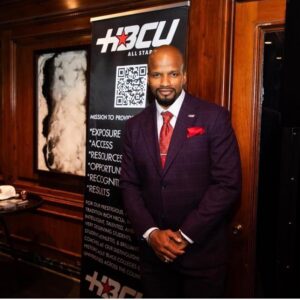
For Travis L. Williams, legacy was never simply about basketball. It was about creating opportunities, opening doors, and making sure future generations could see possibilities that once seemed out of reach.
Today, Williams is known nationally as the founder and CEO of HBCU All-Stars, a groundbreaking platform dedicated to increasing visibility, access, and opportunities for student-athletes attending Historically Black Colleges and Universities. But long before he was leading a nationally recognized movement, he was simply a young boy from South Georgia trying to navigate life after unimaginable loss.
At just 12 years old, Williams lost his mother to lupus.
The loss could have easily become the defining chapter of his story.
Instead, it became the fuel.
“I could have used it as an excuse,” Williams reflected. “But my faith wouldn’t allow me to.”
Raised by family members and guided by the prayers of his mother and grandmother, Williams learned early that circumstances do not have to determine outcomes. Though he grew up without wealth, privilege, or a roadmap to success, he carried something equally valuable: belief.
That belief would eventually lead him to become the first person in his family to attend and graduate from college.
But before college became reality, it first had to become possible.
Williams recalls a pivotal moment with his high school basketball coach—a conversation that would change the trajectory of his life forever.
When asked what his plans were after graduation, Williams confidently replied that he intended to join the military.
College wasn’t even on his radar.
“No one in my family had gone to college,” he said. “I didn’t know what that path looked like.”
His coach saw something different.
He walked Williams to the guidance counselor’s office, reviewed his transcript, and helped him understand that higher education was within reach.
That belief led to a basketball scholarship at Georgia State University, where Williams would earn both his undergraduate degree and a master’s degree while building the foundation for what would become a remarkable coaching career.
For 17 years, Williams poured into young athletes as a collegiate basketball coach.
He coached at multiple levels, led programs, developed talent, and helped shape future leaders.
Yet even with a successful coaching career, God had another assignment waiting.
In 2019, while many would have been focused on climbing higher in coaching, Williams felt called in a different direction.
A vision arrived that would ultimately become HBCU All-Stars.
“God told me not to worry about coaching,” Williams explained. “He told me I was going to do something that would change the narrative around HBCUs.”
It was a bold vision.
And perhaps an even bolder decision.
Leaving behind a career he loved was not easy. But Williams knew the mission was bigger than him.
What started as an idea has now grown into a nationally respected organization that serves as a platform for exposure, opportunity, scholarship support, professional development, and community engagement.
At its core, HBCU All-Stars exists because Williams recognized a painful reality.
For decades, HBCU athletes have produced exceptional talent.
Yet many have not received the same visibility afforded to athletes at larger institutions.
The issue was never talent.
The issue was access.
“The scouts aren’t always coming to our campuses,” Williams said.
Rather than waiting for the system to change, he decided to create something that would bring opportunity directly to the athletes.
Today, HBCU All-Stars hosts an annual showcase during college basketball’s biggest weekend—the Final Four—strategically placing HBCU athletes in front of NBA scouts, G-League personnel, international recruiters, and basketball executives already gathered in one location.
The results have been transformative.
Players have gone on to professional opportunities across the NBA, G-League, international leagues, and even global platforms like the Harlem Globetrotters.
But basketball is only one piece of the story.
What separates HBCU All-Stars from traditional sports showcases is its commitment to the whole student.
Over the last five years, the organization has impacted more than 10,000 students through college admissions and scholarship fairs.
More than 1,000 interns have received hands-on professional experience in journalism, sports marketing, television production, public relations, game management, and event operations.
Scholarships have been awarded.
Cap and gowns have been donated.
Community leaders have been recognized.
Conversations around social justice, civic engagement, and leadership have been elevated.
In every city they visit, Williams ensures the mission extends far beyond the basketball court.
“This is bigger than basketball,” he said repeatedly throughout our conversation.
And he means it.
Perhaps the most remarkable aspect of Williams’ work is his refusal to separate success from service.
Every initiative is rooted in a belief that representation matters.
Access matters.
Opportunity matters.
And for young Black students and student-athletes, seeing someone who looks like them occupying spaces they aspire to reach can change everything.
Williams knows that firsthand.
He was once the young man who needed someone to believe in him.
Now he spends his life becoming that person for others.
As college athletics continues to evolve through NIL opportunities and shifting landscapes, Williams remains focused on one goal: ensuring HBCU students are never left behind in the conversation.
He believes the talent has always been there.
The excellence has always been there.
The potential has always been there.
What has often been missing is visibility.
Ten years from now, Williams hopes HBCUs receive the same respect, resources, and recognition as any major institution in America.
He hopes NBA scouts routinely visit HBCU campuses.
He hopes more HBCU athletes are competing professionally.
He hopes more HBCU graduates are leading corporations, organizations, and communities.
Most importantly, he hopes the next generation understands that success is possible regardless of where they begin.
When asked what message he wants young people to remember, his answer was simple but powerful:
“Don’t be afraid to be told no.”
For Williams, every rejection is simply another step toward the right opportunity.
After all, a young boy from South Georgia who lost his mother at twelve years old wasn’t supposed to become a national leader.
He wasn’t supposed to build a movement.
He wasn’t supposed to change the narrative.
And yet, here he is.
Proof that sometimes one yes is all it takes.
And proof that when purpose meets faith, entire communities can win.
How a Dental Entrepreneur Turned Reality TV Star Is Leading the Charge on Ethical AI Innovation
As Georgia prepares for its May 2026 primary elections, one candidate stands apart not just for her television fame or medical expertise, but for her pioneering embrace of artificial intelligence and automation technology.
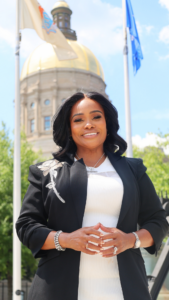
Dr. Heavenly Kimes at the Georgia State Capitol
Dr. Heavenly Kimes, the dentist-entrepreneur and “Married to Medicine” cast member running for Georgia’s 13th Congressional District, has been quietly revolutionizing how small businesses can harness AI for growth—long before it became a political talking point.
From Dental Chairs to Campaign Trails: A Technology Pioneer
For over a decade, Dr. Kimes has integrated cutting-edge AI and automation systems throughout her dental practice, Smiles by Dr. Heavenly. From automated appointment scheduling and patient communication systems to AI-powered diagnostic imaging that helps detect oral health issues earlier than traditional methods, her practice has become a model for how healthcare professionals can leverage technology to improve patient outcomes while maintaining the human touch.
“I’ve seen firsthand how AI is revolutionizing healthcare and helping millions of people receive better, more efficient care,” Dr. Kimes explains. “In my practice, we’ve used AI-powered systems to reduce wait times, improve diagnostic accuracy, and free up our staff to focus on what matters most—building relationships with our patients and providing compassionate care.”
This isn’t just about efficiency—it’s about accessibility. Dr. Kimes’ AI-enhanced practice has been able to serve more patients across metro Atlanta’s underserved communities, using predictive analytics to identify at-risk patients and automated systems to ensure follow-up care doesn’t fall through the cracks.
Bringing Silicon Valley Innovation to Main Street
What sets Dr. Kimes apart from typical political candidates is her practical, boots-on-the-ground understanding of how AI can democratize business success. Her experience spans beyond healthcare into real estate, finance, and now campaign management—all areas where she’s implemented smart automation to level the playing field for smaller operations competing against larger, well-funded competitors.
Her congressional campaign itself showcases this philosophy in action. Using ethical AI tools for voter outreach, data analysis, and volunteer coordination, the Kimes campaign has achieved remarkable efficiency metrics: over 23,000 direct voter contacts since January 2026, precisely targeted outreach across six counties, and a grassroots operation that punches above its weight class.
An Education-First Approach to AI Integration
Dr. Kimes’ vision extends far beyond her own business success. She advocates for comprehensive AI literacy programs in Georgia schools, believing that students—particularly those in underserved districts like parts of the 13th—deserve to graduate with skills that will make them competitive in an AI-driven economy.
“We have a responsibility to ensure that the next generation isn’t just consumers of AI technology, but creators and innovators,” she emphasizes. “That means investing in STEM education, supporting HBCUs in developing AI curricula, and making sure every student in Georgia’s 13th District has access to the tools and training they need to thrive.”
This isn’t abstract policy speak. Dr. Kimes has already begun partnerships with local schools, providing internship opportunities at her practice where students can see AI applications in real-world healthcare settings.
The Ethical AI Imperative
Perhaps most importantly, Dr. Kimes brings a healthcare professional’s understanding of ethics to the AI conversation. Her approach emphasizes transparency, accountability, and human oversight—principles that guided her practice’s technology adoption and now inform her policy positions.
She supports federal frameworks that encourage AI innovation while protecting consumer privacy, worker rights, and fair competition. Her business experience gives her unique insight into how regulation can foster responsible development without stifling the small business innovation that drives economic growth.
“The future of AI isn’t just about the technology—it’s about ensuring that innovation serves humanity and creates opportunities for everyone, not just tech giants,” Dr. Kimes states. “As someone who’s built businesses by embracing these tools ethically and responsibly, I understand both the tremendous potential and the important guardrails we need to put in place.”
A Different Kind of Tech Policy Leader
While Silicon Valley executives and career politicians debate AI from boardrooms and committee hearings, Dr. Kimes offers something different: real-world experience implementing these technologies in ways that create jobs, improve services, and strengthen communities.
Her dental practice employs over a dozen staff members whose roles have evolved—not been eliminated—thanks to AI integration. Her campaign demonstrates how grassroots political operations can compete more effectively using smart technology. And her policy vision reflects an understanding that AI success requires investment in education, infrastructure, and ethical frameworks that work for everyone.
The Georgia Advantage
Georgia is already emerging as a southeastern tech hub, with Atlanta’s growing AI and fintech sectors. Dr. Kimes believes the state—and her district specifically—can lead the nation in showing how AI adoption can drive inclusive economic growth.
From supporting Atlanta’s AI startups to ensuring rural communities have the broadband infrastructure needed for AI-powered telemedicine, her congressional agenda would position Georgia’s 13th District as a model for responsible AI integration.
Looking Forward
As the May 19th primary approaches, Dr. Kimes represents a new generation of political leadership—one that doesn’t fear technological change but embraces it thoughtfully. Her campaign showcases how AI can make political engagement more accessible and effective, while her policy vision promises to bring that same innovative thinking to Washington.
For Georgia’s 13th District, the choice is clear: a candidate who understands AI not as a distant threat or abstract promise, but as a practical tool for building a more prosperous, equitable, and efficient future for all constituents.
In an era when many politicians struggle to understand the technologies reshaping our economy, Dr. Heavenly Kimes offers something invaluable: proven experience making AI work for real people, real businesses, and real communities.
Dr. Heavenly Kimes is running in the Democratic primary for Georgia’s 13th Congressional District. The election is May 19, 2026, with early voting beginning April 27. Learn more at drheavenlyforgeorgia.com
There are moments in culture when someone quietly builds the kind of infrastructure that changes everything — not overnight, not loudly, but steadily, intentionally, and with purpose rooted in community.
Angel Livas is doing exactly that.
As the founder of ALIVE Podcast Network, Livas has grown what began as a small audio platform into a global ecosystem for Black storytellers — a place where voices are not simply amplified, but protected, supported, and positioned to thrive. Four years in, the milestone is not just about numbers. It is about proof that when creators are given ownership of their narratives, something powerful happens.
“We started with two podcasts,” Livas shared during our conversation. “Now there are more than a hundred voices connected through the network. It’s about making sure people know their voice matters.”
And yet, she speaks about growth with humility rather than celebration. For her, success is less about arrival and more about responsibility — the responsibility to keep building, to keep creating space, and to keep pushing forward even when the path feels uncertain.
Building Something Bigger Than Content
ALIVE Podcast Network did not begin as a grand ecosystem. It started with a simple idea: create a home for Black storytelling. But like many visions rooted in purpose, it expanded beyond its original shape.
What was once audio-only now spans streaming television platforms, creator tools, and a growing digital marketplace designed to help entrepreneurs share not only their stories but their products and services.
“I thought it would always be audio,” Livas reflected. “But the vision kept growing. It became about creating a full environment where creators can learn, distribute, and monetize what they build.”
The evolution feels less like a business pivot and more like a natural unfolding — a reminder that sometimes the most meaningful growth happens when we allow vision to expand beyond what we initially imagined.
A Studio at the Center of Influence
One of the most striking developments in the network’s journey is the launch of a state-of-the-art production studio inside Washington, D.C.’s Ronald Reagan Building, just steps from the White House.
For Livas, the location is symbolic.
“This isn’t just a podcast studio,” she explained. “It’s a full production space — a place where our stories can exist at the same level as any major broadcast.”
But beyond the technology and lighting rigs lies a deeper intention: ownership.
In a media landscape where shows can disappear overnight and creators often feel replaceable, building a permanent physical space feels like an act of cultural grounding — a declaration that Black creators deserve rooms designed with them in mind.
“I want people to walk in and say, ‘I created something here. I told my story here.’ That’s powerful.”
Leadership Shaped by Fire and Faith
Behind every polished milestone are moments of uncertainty that rarely make headlines. Livas spoke openly about the challenges of stepping into the tech world as a non-technical founder — navigating unfamiliar territory while carrying the weight of investment, expectation, and vision.
“The biggest lesson is perseverance,” she said. “You have to walk through the difficult parts to reach what’s on the other side.”
That perseverance has reshaped her leadership style, teaching patience and the importance of stepping back when necessary.
“Sometimes you have to pull back in order to move forward,” she explained, comparing growth to a toy car that must be wound backward before it races ahead.
It is a reminder that leadership is not always about constant motion — sometimes it is about knowing when to pause, reflect, and realign.
Wellness, Purpose, and the Stories That Heal
Among the network’s newest projects is ALIVE & Well, a show dedicated to founders whose work grows from deeply personal experiences. The inspiration comes from observing how often innovation is born from necessity — from people who create solutions because they could not find them elsewhere.
“It’s about being alive in everything you do,” Livas said. “Not just surviving, but building from a place of wellness and purpose.”
The series reflects a broader shift in storytelling — one that values transparency, healing, and impact over surface-level success.
Giving Flowers Without Conditions
Programs like the Eminence Leader Badge highlight founders making measurable contributions to their communities. Unlike traditional recognition programs driven by sponsorship dollars, this initiative centers community validation.
“I wanted it to come from the people,” Livas said. “Not from someone paying to be seen.”
The philosophy is simple yet powerful: when we celebrate each other authentically, we create ecosystems where success feels collective rather than competitive.
Advice Rooted in Intention
When asked what guidance she would offer aspiring creators, Livas returned to the fundamentals.
“Know your audience. Be consistent. Build systems,” she said. “Structure creates sustainability.”
It is advice that feels less like a formula and more like an invitation — a reminder that building something meaningful requires clarity, discipline, and a willingness to grow beyond comfort.
A Vision Still Unfolding
As ALIVE Podcast Network moves into its next chapter, Livas remains focused not just on expansion but on legacy — building spaces where creators can stand fully in their voice without fear of being erased.
“This isn’t just about content,” she said quietly. “It’s about ownership.”
And in a world where stories are often filtered through someone else’s lens, that ownership may be the most powerful narrative of all.
How Rachell Dumas Turned Nine Pregnancy Losses, Medical Dismissal, and Survival Into a Blueprint for Advocacy
Rachell Dumas, CEO & Founder
Some stories don’t begin with a title or a résumé. They begin with a moment — a moment when your body is sounding an alarm, and the people who are supposed to help you treat it like background noise.
For Rachell Dumas, that moment didn’t happen once.
It happened again and again — across appointments, emergency rooms, pregnancy losses, postpartum complications, and dismissive conversations that demanded she prove pain before she could receive care.
She is a registered nurse with advanced training. She speaks the language of medicine. She understands charts, protocols, and systems. And still, she found herself in the same position too many Black women know intimately: trying to survive a system that doesn’t always believe you deserve to.
“I had a different lens when it came to what patients go through,” she told me. “Once I became pregnant and started that journey, I experienced racism in the healthcare system — being dismissed, being medically gaslit.”
Then she said something that should stop all of us cold.
She had to fly from Atlanta to Dallas to save a pregnancy — because her concerns weren’t being taken seriously at home.
That experience wasn’t just traumatic. It was clarifying.
Because sometimes pain doesn’t just break you — it reveals what has been broken all along.
A Turning Point That Should Never Have Happened
In 2020, Rachell was pregnant with twins. She was bleeding. She went to the emergency room, followed up with her OB, and later returned with severe pain — “10 out of 10,” she said — vomiting, sick, and certain something was wrong.
She describes being sent home. Dismissed.
Then she lost one baby.
Later, on the day of her gender reveal, she woke up wet, went to the bathroom — and lost the other baby.
When she returned to the hospital and told the doctor what happened, the doctor questioned whether she had even been pregnant.
Rachell Dumas with her baby
From Personal Pain to Public Purpose
Rachell has been a nurse for nearly a decade, but her experience as a patient transformed how she understood medicine.
“Now I started to look at what patients go through from a patient’s lens,” she explained. “People can’t always speak the medical jargon to advocate for themselves. They know something is wrong, but they don’t always have the language — and they don’t know what they don’t know.”
That gap became her mission.
It’s why she founded A Light After Nine, a nonprofit supporting not only mothers but entire villages — families navigating pregnancy loss, infertility, and maternal trauma through education, advocacy, and community.
Because loss doesn’t land on one person.
It lands on relationships, identities, bodies, and futures.
And too often, people are expected to carry it quietly.
HEARD Was Born When Even Her Degrees Didn’t Protect Her
After giving birth to her son, Rachell thought the medical trauma might finally be behind her.
It wasn’t.
Six months postpartum, she woke up with vision loss and stroke-like symptoms. She went to the hospital, explained what was happening, and says she was misdiagnosed with a stomach bug — sent home without vision.
So she did what too many patients are forced to do: she sought care elsewhere.
At another ER, she was placed into stroke protocol and diagnosed with a rare brain condition — idiopathic intracranial hypertension — caused by fluid building up in her head. She later underwent two brain surgeries.
Even as a nurse. Even with medical knowledge. Even speaking the language.
She still had to research, advocate, and fight for her own care.
Her conclusion was simple and powerful:
If she had to do all that, what happens to the patient who doesn’t know where to start?
That’s why she created HEARD, a patient advocacy platform designed to help people document concerns, communicate clearly with providers, and escalate when they feel dismissed or unsafe.
“Patients cannot do these things and don’t have these resources,” she said. “So I created HEARD to level the playing field.”
The Real Problem Isn’t the Patient
When I asked why so many patients feel unheard, Rachell didn’t blame the people already suffering.
She named the truth.
“It’s not really a patient issue. It’s really the provider issue.”
Patients become exhausted. After repeating symptoms again and again without being believed, many stop trying. And healthcare systems aren’t always designed for clarity or compassion.
Her advice was practical and powerful:
Bring someone with you. Someone who can listen, take notes, and help repeat your story back when you’re tired.
She also addressed an uncomfortable reality — medical jargon still influences who gets listened to.
That’s why platforms like HEARD matter. They help patients translate lived experience into language the system respects.
A Personal Question, and a Grounding Answer
As a 28-year-old Black woman who hasn’t had children yet, I asked what many women are thinking but don’t always say out loud: I’m afraid of not being listened to. I’ve considered home birth, a doula — anything that feels safer.
Her answer started before pregnancy even begins.
She emphasized preconception care — thorough checkups, labs, understanding your baseline health — so issues are identified early instead of discovered during crisis.
Then she said it plainly:
“Get you a doula as soon as possible. The research shows having a doula improves healthcare outcomes… They bridge the gap.”
A doula helps interpret, advocate, communicate, and hold steady when your body is doing something entirely new.
Because pregnancy can be beautiful — and exhausting.
And no one should navigate it alone.
Trauma-Informed Care Looks Like Preparation, Respect, and Listening
When I asked what trauma-informed care should truly look like, Rachell described something simple — and radical.
Know your patient before entering the room.
Make appointments meaningful.
Ask about mental health, financial stressors, and support systems.
Include partners and families instead of sidelining them.
Above all, listen and believe your patient.
It sounds basic.
And yet it is the piece most often missing.
What Needs to Change: Research, Access, and Affordability
Rachell’s vision for maternal health equity bridges policy and humanity.
She highlighted the need for inclusive research — because when Black patients aren’t represented in studies, treatments may not reflect our realities.
She also spoke about coverage gaps and rising costs. When care becomes unaffordable, patients delay visits — and delayed care often turns preventable issues into emergencies.
Affordable healthcare isn’t a luxury.
It is how we reduce harm.
It is how we keep mothers alive.
Sometimes the Best Support Is Silence
One of the most powerful moments in our conversation came when I asked what validation looks like during grief.
Her answer wasn’t a script. It was honesty.
“Sometimes we don’t have to say anything,” she said. “We just need to share silence with people.”
Because even well-intentioned words can miss the mark.
Instead of performing comfort, she encourages presence. Accountability. Listening without needing to fix.
A Legacy Measured in Lives Saved
When I asked what legacy she hopes A Light After Nine and HEARD will leave, her answer was expansive.
“I hope that billions of people are able to save their lives, or save the lives of others through advocacy.”
And then she spoke about her son — a three-year-old toddler whose existence reflects resilience, survival, and purpose.
Before we ended, she reassured me:
There are more positive birth stories than negative ones.
But the negative ones are loud, harmful, and devastating enough that preparation, advocacy, and supportive care are non-negotiable.
“Advocate for yourself,” she said. “Get that support… and leave if they’re not paying attention.”
If you have ever walked out of a doctor’s office with more questions than answers, if you have ever felt rushed, unheard, or quietly dismissed, I want to begin here: what you felt was real. Too many Black patients leave medical spaces carrying not just diagnoses, but doubt—about whether their pain mattered, whether their concerns were taken seriously, and whether they were seen as fully human.
For many Black families, healthcare does not feel neutral. It feels fragile. It feels conditional. And too often, it feels like survival depends on how much you are willing to advocate for yourself.
In a deeply honest conversation on social justice and equity in the medical space, advocate Angela Greene and physician Dr. Eboni January named what so many people experience but struggle to articulate: healthcare inequity is not random. It is systemic. It is shaped by power, policy, and whose lives have historically been valued.
“Healthcare inequity boils down to who has money and who has power,” Greene said. “This system was never built to be fair, and it was never built with us in mind.”
Naming the System, Not the Individual
Angela Greene did not frame this issue as a collection of unfortunate moments or individual failures. She spoke about systems—the structures that quietly shape outcomes long before a patient ever enters an exam room. Repeated dismissal, she explained, sends a message that does not end when the appointment does.
“It reinforces the message that we don’t matter, that we don’t belong, or that we’re not worthy,” Greene said.
Over time, those messages settle into the body. They shape how people view their health, their worth, and whether seeking care feels safe at all. Mistrust is not something communities invent. It is something they learn through lived experience.
Physician & Black Maternal Health Advocate, Dr. Eboni January
A Doctor Who Knows Both Sides of the Exam Room
Dr. Eboni January offered a perspective that bridges two worlds—the clinician and the patient. She understands the system because she works within it. She understands the harm because she has lived it.
“I’m fighting two wars,” she said. “The same biases my patients face, I face too.”
She described bias not as an abstract idea, but as something that shows up in daily interactions—professional disrespect, assumptions about intelligence, and the dangerous minimization of symptoms. These experiences do not disappear at the end of a shift. They accumulate. They exhaust. And over time, they push many physicians of color out of the field entirely.
“We’re exiting the field or not going into it at all because of the biases presented to us,” Dr. January said.
When doctors of color leave medicine, communities lose more than representation. They lose trust. They lose advocates. And they lose access to care that feels safe.
Why Access Alone Is Not Enough
One of the most common misconceptions about healthcare is that access guarantees fairness. Greene and Dr. January made clear that this belief does not match reality.
“No matter your education or economic status, you are still at risk,” Dr. January said. “Equal access does not mean equal outcomes.”
Black patients may enter the same hospitals, see the same technology, and still receive different care. Delays in treatment, assumptions about pain tolerance, and less urgency—particularly in high-stakes moments—continue to shape outcomes. When trust erodes, people wait longer to seek help. Preventive care is postponed. Emergencies become the entry point into the system.
And the cycle repeats.
The Harm We Don’t Measure
Some of the most lasting damage caused by medical dismissal cannot be found in charts or discharge summaries. It lives in fear. It lives in hesitation. It lives in the quiet decision to stop going to the doctor altogether.
“When patients don’t trust the system, they avoid care until it’s an emergency,” Dr. January said. “And that creates a vicious cycle.”
This cycle is often passed down. Children watch how their parents are treated. Families share stories of being ignored or dismissed. Long before someone schedules their own appointment, they have already learned what to expect.
The Myth of Neutral Healthcare
The belief that healthcare is neutral often belongs to those who have never been harmed by it. As Dr. January explained, “Your perspective becomes your reality.”
For families who have witnessed loved ones restrained, ignored, or threatened for advocating for themselves, neutrality is not an abstraction. It is a myth. Bias does not always announce itself loudly. More often, it hides in policy, in silence, and in decisions delayed just long enough to cause harm.
What Real Change Requires
Both Greene and Dr. January agreed that meaningful change requires more than statements or good intentions. It requires accountability. It requires systems that value culturally competent care. It requires training that is ongoing, measurable, and tied to real outcomes.
Dr. January emphasized education—not just for providers, but for patients—so people are empowered to advocate for themselves with clarity and confidence.
“Give yourself a fighting chance against racism,” she said.
Greene reminded us that advocacy and visibility are essential tools for accountability.
“If we don’t tell these stories, who else is going to do it?” she asked.
Why These Stories Matter
Dr. Eboni January
Stories are not distractions from data. They are how truth becomes undeniable. Black media plays a vital role in connecting history to present-day outcomes and helping communities understand what care should look like—and what should never be accepted as normal.
“When you don’t have a doctor who looks like you, you’re going to have a problem,” Greene said, pointing to the widening gap between patients and providers they trust.
A Conversation That Stays With You
This discussion reflected the lived realities of countless Black families—ignored pain, delayed diagnoses, and consequences that could have been prevented if someone had simply listened.
Healthcare inequity affects real bodies. Real families. Real futures.
And as this conversation makes clear, equity in the medical space is not a luxury. It is not optional. It is urgent. It is personal. And it is long overdue.
CEO/Founder of Financial Revolutionn, Aaliyah Duah
Some people talk about wealth. Aaliyah Duah is building a whole movement around it — and she’s doing it in a way Gen Z can actually understand, connect to, and enjoy.
In our sit-down, Aaliyah broke down how she started Financial Revolutionn as a teenager, why she refuses to teach finance in a boring way, and how she’s using games, media, and real-life examples to shift how young people think about money — starting now, not “one day.”
“I saw us with $1,000 shoes and $0 in our pockets.”
Aaliyah told me she was exposed to entrepreneurship early — both of her parents are entrepreneurs — but what really pushed her was watching her generation make money choices without the right tools.
She said the difference wasn’t that finance was “boring.” It was that she had to figure out how to make people care — because people already knew her as the “basketball and jokes” girl, not the finance girl.
Then one day, she made a decision: “I’m gonna start a financial revolution.” She created the page, committed to the mission, and didn’t look back.
The book that flipped the switch
When Aaliyah started reading Rich Dad Poor Dad, it challenged what she thought she knew about money. That opened the door to everything else — podcasts, books, learning the language of wealth — until she reached a point where keeping it to herself didn’t feel right.
She explained that this information doesn’t just affect one person. It spreads.
“If I can get my peers on a revolution… they can impact their circles too. It becomes a domino effect.”
The #1 thing Gen Z is missing: starting NOW
One of the biggest gems Aaliyah dropped was simple, but powerful:
If you can’t budget with $10, you won’t budget with $10,000.
She believes Gen Z often waits to “have money” before building habits — but the habits are what create stability when the money comes.
The biggest early mistake: listening to too many voices
Aaliyah didn’t give the usual internet answer. She said one of the biggest mistakes young people make is over-consuming advice.
With so many people online yelling “Do this! Do that!” it creates confusion — and confusion leads to doing nothing.
Her advice: pick one or two trusted sources for financial guidance, and focus.
Why she made a game instead of a class
Aaliyah made it clear: finance is serious, but learning it doesn’t have to feel like punishment.
She created Broke or Brilliant, a financial literacy game built around competition, fun, and those “aha!” moments people remember.
And when we actually started playing on camera? The energy shifted instantly — laughing, guessing, learning, and turning missed answers into teaching moments.
That’s the point.
“People learn when it’s fun… when it’s a moment.”
A game-to-game moment: Culture Ticket meets Broke or Brilliant
Broke or Brilliant card game
Since I have my own game (Culture Ticket Revoked), we had a dope exchange where we played each other’s styles.
She asked me a question from Broke or Brilliant — and I got introduced to the 529 plan (a college savings plan for kids). What I loved most? The game doesn’t just tell you you’re wrong — it
tells you why, so it becomes knowledge you can actually use.
Then I hit her with my Culture Ticket music questions… and let’s just say, we had a few “brain freeze” moments on BOTH sides. 😭
That part of the interview was important because it showed something real: even smart people blank sometimes — but the learning sticks when it’s interactive.
Being a young Black woman in finance spaces
Aaliyah said she doesn’t let demographics intimidate her. She walks into rooms knowing she deserves to be there — and she stays confident by staying prepared.
Her mindset is simple: confidence comes from pouring into yourself.
The “3 money moves” Aaliyah wants people to make
When I asked what someone can do today if they feel behind, she gave practical steps:
Open a high-yield savings account (instead of a regular savings account)
Open a brokerage account
Start investing consistently — even if it’s small
Her message was loud and clear: you don’t need to wait for the “perfect” moment to start building your future.
The legacy she’s building
Aaliyah’s ultimate goal isn’t just teaching people finance. It’s teaching people that it starts with them.
And when one person shifts, it impacts families, circles, communities — and creates opportunities that can last beyond one lifetime.
Tap in with Aaliyah Duah
To learn more, follow Aaliyah’s work and check out her platform here: Financial Revolutionn:
In an era where visibility is often confused with virality, Kayla Tucker Adams stands firmly in a different lane—one rooted in truth, strategy, and long-term impact.
As an award-winning public relations executive and the founder of KTA Media Group, Kayla has spent more than two decades shaping narratives that don’t just make noise, but move people. From Fortune 100 companies and national nonprofits to education leaders, authors, and change-makers, her work proves one thing: PR isn’t about spin—it’s about storytelling with integrity.
I sat down with Kayla in Atlanta for a candid conversation about leadership, representation, crisis, mentorship, and what it really takes to build a brand that lasts.
From the Church Aisle to the Media Spotlight
Kayla’s journey into communications didn’t begin in a boardroom—it began in the church.
Raised in Texas, she discovered her gift for communication early on through Easter and Christmas speeches, Sunday school teaching, and youth leadership roles. Public speaking wasn’t something she learned to overcome—it was something she naturally embraced.
“I was never afraid to get up and speak,” Kayla shared. “That confidence and love for storytelling started very young.”
Inspired by legendary media figures like Oprah Winfrey and trailblazing Black anchors in the Dallas–Fort Worth market, Kayla pursued a degree in radio and television broadcasting with a minor in business—laying the groundwork for what would become a powerhouse career in public relations.
Why PR Is Strategy—Not Spin
One of Kayla’s strongest convictions is also one of her boldest: PR without strategy is ineffective.
At KTA Media Group, every client relationship begins with deep listening. Before pitching a single outlet, Kayla wants to understand how clients see themselves—and why.
“Your brand story is the foundation. Without it, visibility won’t land where it needs to.”
Her team builds detailed PR and visibility roadmaps—strategic blueprints that guide everything from messaging and media placement to long-term brand elevation. The goal isn’t just press; it’s progression.
The Two Biggest Gaps Brands Walk In With
According to Kayla, most clients arrive with passion—but often missing two critical pieces:
The right budget
Realistic timelines
Many people understand they need exposure but don’t fully grasp the difference between PR and marketing—or the time it takes to build credibility from the ground up.
“Visibility is built, not rushed,” she explained. “We don’t wake up one day and land national TV without a foundation.”
Leadership, Flexibility, and Unlearning Limits
As a Black woman leading in high-stakes spaces, Kayla credits adaptability as one of her greatest leadership lessons.
She also had to unlearn something surprising: saying no too soon.
“I learned never to say what I don’t do,” she said. “Because growth will stretch you into spaces you never expected.”
That openness has allowed KTA Media Group to expand into advocacy, policy-adjacent work, entertainment, and industries far beyond its original scope—without losing its strategic core.
Narrative Equity: Why Representation Still Matters
In today’s political and media climate, Kayla believes narrative equity is non-negotiable.
She emphasizes the continued importance of Black and minority media—not just for representation, but for accuracy, cultural context, and truth.
“We tell our stories better. And we tell them with responsibility to our communities.”
From global education stories to culturally nuanced coverage, Kayla’s work highlights what’s at stake when stories are misrepresented—or not told at all.
Crisis Management: Less Talking, More Truth
When brands face crisis, Kayla sees one mistake more than any other: talking too much, too fast.
Social media reactions, premature statements, and defensive responses often make situations worse. Her advice?
Stop. Assess. Tell the truth. Investigate. Then rebuild.
“Even if the narrative isn’t true, the crisis still happened—and your brand still needs repair.”
PR as a Tool for Real Community Change
Some of Kayla’s favorite work lives at the intersection of visibility and service.
From scholarship programs and food drives to community give-backs and nonprofit partnerships, she believes PR should amplify impact—not ego.
“When people see leaders doing good, it inspires them to do good too. Influence creates ripple effects.”
Mentorship as a Responsibility, Not a Bonus
Mentorship isn’t an add-on for Kayla—it’s a calling.
She regularly speaks at colleges and universities, hires interns who grow into leaders, and pours into young professionals navigating PR without a roadmap.
One press release lesson from a legendary journalist early in her career still shapes how her team writes today—a reminder that knowledge shared can change generations.
Rest, Boundaries, and Sustainability
Despite working long hours, Kayla is intentional about self-care.
Her priorities are clear: prayer, movement, health, and boundaries.
“I’m not scheduling meetings before my workout,” she said plainly. “That’s non-negotiable.”
Her philosophy is simple: the work will always be there—but you have to be well enough to do it.
Advice for Women Seeking Visibility
For women who want to be seen but don’t know where to start, Kayla’s advice is direct:
Execute.
Start with free tools. Share your journey. Speak. Volunteer. Collaborate.
KTA MEDIA GROUP
“Your gifts will make room for you—but only if you use them.”
Visibility follows courage, consistency, and collaboration.
Closing Thoughts
Kayla Tucker Adams isn’t just building brands—she’s shaping legacies. Through truth-centered storytelling, strategic vision, and deep community investment, she reminds us that public relations, at its best, is public service.
Aaliyah Duah didn’t start her company, Financial Revolutionn because finance felt trendy. She started it because she noticed something was missing in her community and among her peers: the knowledge to build real wealth.
Growing up in New York City, Duah watched how money was used in ways that felt familiar to many young people—spending on clothes, food, and whatever might impress others. “That’s all we did,” she said. “That’s all we valued.” But reading books at a young age shifted her perspective. The more she learned, the more she realized that the financial habits around her weren’t accidental—they were shaped by what people were taught to prioritize.
“We’re taught how to spend our money, how to make money for other people,” she explained. “But we’re not taught how to make money for ourselves and actually how to build wealth.” When she looked around, the bigger picture became impossible to ignore: many neighborhoods lacked true ownership and long-term assets. Duah knew that if young people could get access to the right information early, they could rewrite that story.
Building Financial Revolution for Her Generation
She also recognized a second barrier: the delivery. Traditional financial education can feel boring, disconnected, and hard to apply—especially to teens and young adults who are already overloaded with information. Duah believed she could close that gap by meeting her generation where they are.
Her approach centers on making financial literacy fun, relatable, and practical—without sounding like “that financial person” who walks into a room and loses the audience before the lesson even begins. “I knew I had the ability to relate to my peers and teach them what they needed to know in a way that is fun,” she said.
That vision has only expanded as her platform has grown.
Taking the Stage at InvestFest and Beyond
Duah recently spoke at InvestFest, where she hosted a panel alongside Travis Brown and Council Member Kevin Riley. Their conversation connected the dots between policy, politics, and education—highlighting how systemic issues inside schools can directly shape what young people do, and don’t, learn about money and opportunity.
For Duah, the takeaway wasn’t simply about pointing out what’s broken—it was about the responsibility to advocate. “We have to demand more,” she said, noting that many schools, particularly those serving Black communities, need stronger resources and support. “We have to speak up and we can’t just be okay with the problems we see.”
Meeting Students Where They Are
Her work doesn’t stop at public conversations. Duah shared that she runs financial literacy programming in 25 schools across New York City, working with both middle and high school students. Through those programs, she’s learned that attention is the real currency—and if young people don’t feel engaged, the most valuable information in the world won’t land.
“You can’t just feed people a whole bunch of information,” she said. “You have to have activities. You have to make it real for people.” Her goal is to show students where financial literacy already exists in their daily lives and why it matters, before asking them to change their habits.
Turning Financial Education Into a Game
To make those lessons stick, Duah created games that transform finance education into something interactive. One is a trivia-based game called Broke or Brilliant, where players answer financial questions and earn currency cards for correct responses. Another, called Rap Cards, uses rap lyrics to teach financial terms—because, as Duah pointed out, much of the music young people listen to already references money.
Her approach is simple: if culture shapes behavior, then culture can help teach better behavior, too.
Reimagining the Game Show Format
Building on that momentum, Duah is developing a live concept called the Broke or Brilliant Game Show, which she describes as a blend of Jeopardy, Family Feud, and Wild ’N Out—except the questions are rooted in real-life financial situations.
Unlike many entertainment game shows, her model is designed to make learning part of the experience. She wants people thinking on their feet, answering questions like “What’s a Roth IRA?” and leaving not only entertained, but smarter.
Duah also sees this format as a way to build community. She envisions Greek-letter organizations competing, crowds coming together, and financial literacy becoming something people want to attend—not something they avoid.
Redefining Wealth and Legacy
At the heart of Financial Revolutionn is a bigger belief about wealth: it isn’t just financial. It’s also the ability to help others become self-sufficient.
“I want future generations to understand the power of doing things themselves,” Duah said. “A lot of times we just lack the information.” She believes that giving young people the tools to build their own wealth creates a ripple effect—because those individuals can then turn around and help others do the same.
Walking Into Rooms—and Bringing Others With You
That philosophy also shapes how she moves through spaces where there aren’t many people who look like her. For Duah, it starts with knowing who you are in every room, being prepared, and refusing to be shaken by doubt. And once she gets access, she tries to widen the door. “The next time I get there, bring somebody else with me,” she said.
She shared how she attended InvestFest alone as a teenager—flying to Atlanta, renting a car, and showing up by herself. The next time, she brought her friends. She described a similar mindset shift after visiting Ghana, which changed her perspective so much that she began exploring how to bring HBCU students on future trips for the same experience.
The Truth About Entrepreneurship
Duah is also clear-eyed about entrepreneurship. She cautions against believing the social media version of success, where a quick e-book and a viral post equal instant wealth.
“That’s not entrepreneurship,” she said. Entrepreneurship is the unglamorous work—handling taxes, scaling, managing people, meeting deadlines, and figuring out how to fund a big vision. It’s consistency and discipline, not a highlight reel.
Advice for the Next Generation
That same realism shows up in her advice to young people unsure where to start. Duah says the first step is belief—because mindset drives action. The second step is simply starting, especially when it comes to investing. She encourages young people to begin with whatever they can afford, emphasizing that time is the advantage they have right now.
She also recommends building the habit of saving through a high-yield savings account, even if it’s just small weekly deposits. Her point is that discipline scales. The habit that helped her save $25 a week in college is the same habit that allows her to save far more today.
“The only thing that’s changing is the amount,” she said. “But the mindset, the discipline, none of that changes.”
A Movement Built for the Future
In a world full of distractions, Aaliyah Duah is focused on one thing: getting and keeping Gen Z’s attention long enough to change their financial future.
Through education, culture, games, and community, she’s proving that financial literacy doesn’t have to feel intimidating. It can feel like something young people own—because for her, that’s the point.
For more, follow on social: @AaliyahDuah & @FinancialRevolutionn






 Advice Rooted in Intention


